Southern Plants™ puts care into its labels to help you choose a suitable home for each plant.
Check your Southern Plants label for the variety’s soil and drainage preferences before improving the bed. “Well drained” describes how water moves away from roots; it does not mean the plant needs sandy soil. Match the label with what you find below the surface.
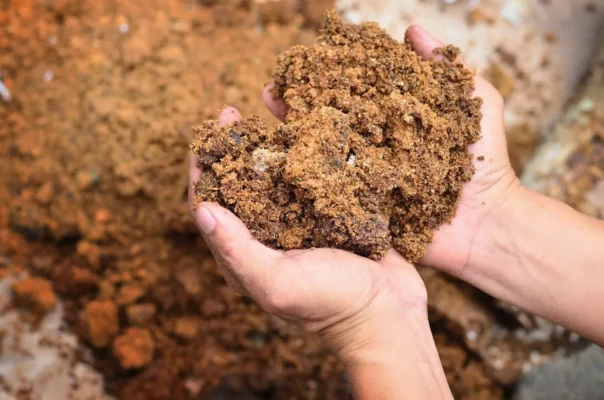
Take a moist handful and squeeze it, then rub a little between your fingers. Texture, shape and drainage help distinguish the broad soil descriptions below. Most garden soils are mixtures, so test more than one location and choose the description that matches most closely.
Gravels
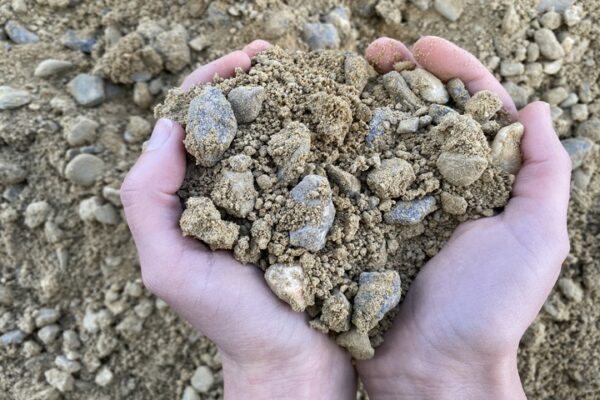
Visible stones and coarse fragments mixed through finer soil. Test the soil between and beneath the stones to judge texture and drainage.
Gravelly soil can drain quickly and hold little moisture or nutrition, but stones alone do not guarantee good drainage. Improve the wider root zone with mature compost or suitable organic matter, apply mulch and water slowly so moisture penetrates rather than running through. Choose plants tolerant of lean, fast-draining conditions.
Sands
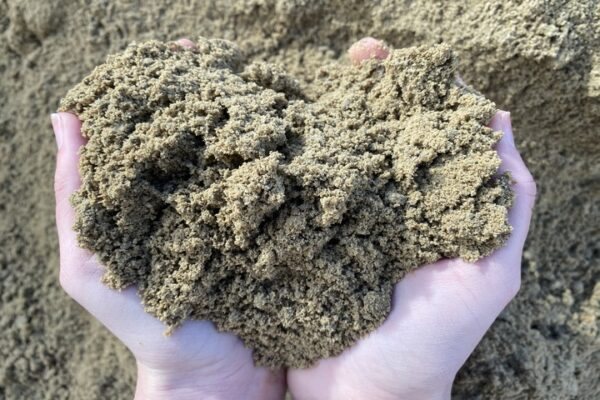
Feels gritty, falls apart when released and will not form a ribbon between thumb and finger.
Sandy soil drains and warms quickly but can dry out and lose nutrients. Mix suitable organic matter through a broad area, mulch well and improve it gradually. Water slowly or in shorter cycles and use fertiliser carefully because nutrients can leach quickly.
Loams
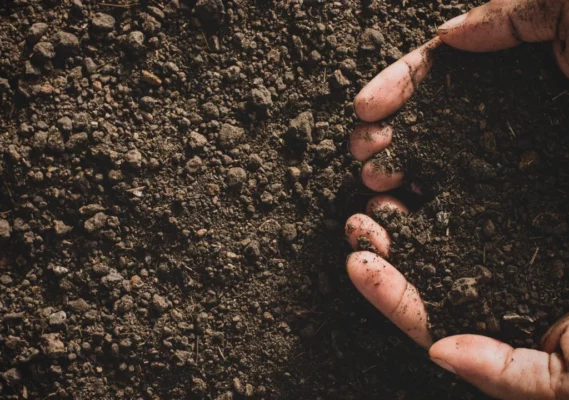
Feels crumbly with fine and gritty particles, forms a loose ball, and drains while still holding useful moisture.
Loam is usually the easiest soil to garden in. Protect its structure rather than overworking it. Maintain organic matter with compost and mulch, avoid digging when saturated, and prevent compaction by keeping regular foot traffic out of planting beds.
Clays
Smooth and sticky when wet, forms a firm ball or ribbon, becomes hard or cracked when dry, and often drains slowly.
Clay can be fertile but needs air and structure. Do not work it while very wet. Add suitable organic matter across the whole bed, mulch and use raised planting where drainage remains poor. Gypsum only helps particular sodic clays, so test or seek local advice rather than applying it automatically.
Simple drainage check: after rain or thorough watering, observe how long water remains on the surface. Persistent pooling indicates a drainage problem to correct before choosing a plant that requires free-draining soil. Do not automatically add fertiliser to the planting hole.
Texture is only part of the story
Sandy, silty and clay particles describe soil texture; gravel describes larger fragments mixed through it. A gravelly surface may still hide compacted clay beneath. Imported topsoil, building work and regular foot traffic can also produce very different conditions within the same garden.
Check drainage before adding more water
Look for persistent puddles, water running off rather than soaking in, and damp soil that stays wet long after nearby beds have drained. Check whether roof runoff or paving is directing water into the bed. A wilting plant in saturated soil may be struggling with poor root conditions rather than thirst.
Mulch and compost can support soil structure over time, but they cannot fix every drainage problem. Where water repeatedly collects, address its source, seek local drainage advice or choose plants suited to those conditions. Avoid making a richly amended planting pocket in otherwise poorly drained soil.
Make changes gradually
Work suitable, mature organic matter through the broader planting area rather than concentrating it beneath one plant. Avoid digging wet clay: it can smear and compact. Keep regular walking routes outside beds and maintain a protective mulch layer clear of stems.
Check before treating: gypsum is not a cure for every clay soil, and lime changes soil chemistry. A soil test or local advice can help you decide whether an amendment is useful. Match any additions to the requirements of the plants, particularly nutrient-sensitive varieties.
Plants to consider for the soil you already have
You do not always need to replace your soil to grow a lovely garden. Start with plants whose growing requirements suit it. These examples come from our catalogue, checked against variety descriptions and Australian gardening references. They are starting points, not a promise for every site: climate, drainage, light, soil depth and pH still matter.
A plant can suit more than one soil type. “Tolerates clay” describes adaptability; it does not automatically mean the plant prefers clay or can live with permanently wet roots. Open each plant profile and compare its growing information with the care label before choosing.
Sandy soils
Choose plants comfortable with a freely draining root zone. Give new plants establishment water even when mature plants cope with dry conditions.
Bush Pearl Kangaroo Paw — a compact flowering choice whose catalogue guidance specifically favours freely draining, sandy soil.
Coast Rosemary — an adaptable shrub for soils ranging from sand to clay; allow room for its mature spread.
Gravelly and stony soils
Check the finer soil beneath the stones. These suggestions are for a draining root zone with enough soil for roots, not a compacted gravel driveway or a thin stone layer over wet clay.
Euphorbia ‘Tasmanian Tiger’ — the catalogue specifically identifies it for poor gravelly soils, with full sun and good drainage.
Correa alba prostrate — a low-growing option to consider for draining, sandy-stony coastal-style beds. The species occurs in gravelly sandy coastal soils; check the prostrate form’s light and space requirements.
Loam and sandy loam
Loam offers many planting choices when its structure and drainage are good. It is a mixture of particle sizes, not a guarantee of fertility or the right pH for every plant.
Grevillea RSL Spirit of Anzac — a flowering shrub specifically described for well-drained sandy and loam soils, performing best in sun.
Eremophila Thriver™ — an adaptable shrub whose variety description includes loam, sand and clay.
Silver Banksia — tolerates loam and other textures with reasonable drainage; check its mature dimensions before choosing a position.
Clay and clay loam
Clay can support a rewarding garden. Match the variety to its structure and drainage; none of these suggestions is a blanket recommendation for a permanently waterlogged bed.
Blue Ridge Lomandra — a tufting foliage plant whose catalogue description expressly includes heavy clay.
Cut-Leaf Daisy — Brachyscome multifida is documented in Australian guidance as growing well in heavy clay; match its light and moisture needs too.
Hardenbergia Meema™ — the variety description includes soils from sand to heavy clay; allow for its spreading habit and ability to climb when supported.
Turn a shortlist into a good match
Check soil below the surface at several points in the planting area.
Observe the bed after substantial rain and again as it dries. Note pooling, runoff and dry patches.
Check pH where plant choice or poor growth suggests it matters. Texture alone cannot tell you whether soil is acidic or alkaline.
Compare the care label and plant profile with your light, climate, available space and soil conditions.
Start with a small planting where conditions are uncertain and watch it through seasonal changes before extending the whole bed.
Wet ground needs a different shortlist. If water stays around the roots for long periods, choose plants specifically documented for that wetness or address the drainage. Do not use a clay-soil list as a substitute for a wet-site assessment.
You do not need to know everything at once. Start with your plant’s growing requirements, try the steps that suit your garden, and build confidence as you see what works.