
Give new roots a good start
Planting out
Plant with confidence: prepare the hole, handle roots gently and give your new plant a good start.
← Back to Planting & CareStart with these checks
- Moisten a dry root ball before planting.
- Check depth before backfilling.
- Water in and begin regular moisture checks.
Start with your Southern Plants™ care label
Southern Plants™ puts care into its labels to help you choose a suitable home for each plant.
Keep your Southern Plants label beside you while planting. Recheck the recommended position and soil conditions before digging, and follow any variety-specific planting instructions. Photograph the label so the plant name and care guidance stay easy to find.
Find your plant’s growing information →Planting out
Give new roots the best start
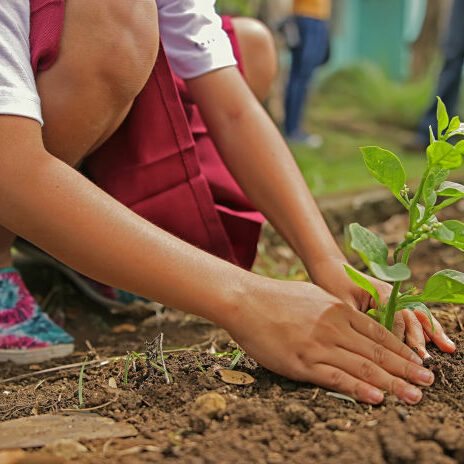
- Water the plant in its pot before planting if the root ball is dry.
- Dig a hole wider than the root ball but no deeper. Keep the top of the root ball level with the surrounding soil.
- Remove the pot carefully. Keep the root ball intact and loosen only tightly circling roots where appropriate; avoid unnecessary disturbance, particularly with sensitive Australian plants.
- Backfill with the excavated soil, firm gently and water thoroughly to settle soil around the roots.
- Apply mulch over the root zone, keeping it clear of the stem or trunk.
- Remove restrictive clips or ties. Stake only when support is genuinely needed and keep ties loose enough to allow movement.
Choose a manageable planting day
A mild day makes it easier to keep roots moist and reduce stress during planting. Avoid working saturated soil or planting just before extreme heat if you can. The best season depends on your local climate and the plant: use local conditions rather than a single calendar rule for every Australian garden.
Check the root flare and finished level
For trees and woody shrubs, locate the point where the main roots begin to spread from the stem. Nursery potting mix can sometimes cover this point, so do not assume the pot’s surface always marks the right planting depth. Keep the root flare at the finished soil surface. Follow specific instructions for plants with different crown or planting-depth needs.
Water the root ball and the surrounding soil
Water slowly after planting so it reaches the roots and settles the backfill without heavy compaction. In the following weeks, check the original root ball as well as nearby soil: the two materials can dry at different rates. New plants still need establishment care even when the label describes them as drought tolerant once established.
Help the plant through its first change of season
Keep a newly purchased plant watered and in suitable light until you can plant it. Lift it by the pot or supported root ball, rather than pulling its stem. If the soil smears under your spade or water collects in the hole, pause and address the conditions before continuing.
After planting, record the variety and date. Check it more often during its first hot, windy or dry spell, even if it went into the ground during cool weather. Root growth takes time: water needs can change before the top of the plant shows obvious new growth. Recheck ties and supports as the stem thickens.
Your next step towards growing with confidence
You do not need to know everything at once. Start with your plant’s growing requirements, try the steps that suit your garden, and build confidence as you see what works.
Open Plant Finder